Fruits For Nutritional Health
| Bananas | Strawberries | Blueberries | Pineapple | Papaya | Apricots |
|---|
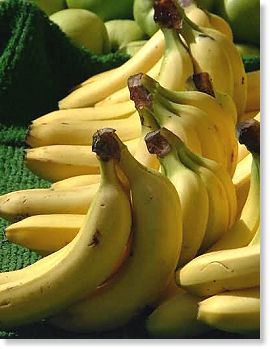
Because of their impressive potassium content, bananas are highly recommended by doctors for patients whose potassium is low. One large banana, about 9 inches in length, packs 602 mg of potassium and only carries 140 calories. That same large banana even has 2 grams of protein and 4 grams of fiber. No wonder the banana was considered an important food to boost the health of malnourished children! Those reducing sodium in their diets can't go wrong with a banana with its mere 2 mgs of sodium. For the carbohydrate counters there are 36 grams of carbs in a large banana.

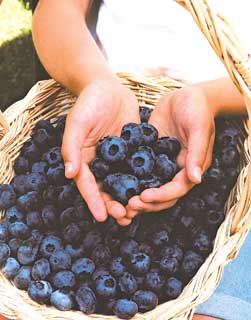
With flavors that range from mildly sweet to tart and tangy, blueberries are nutritional stars bursting with nutrition and flavor while being very low in calories. Blueberries are at their best from May through October when they are in season. Blueberries grow in clusters and range in size from that of a small pea to a marble. They are deep in color, ranging from blue to maroon to purple-black, and feature a white-gray waxy "bloom" that covers the surface serving as a protective coat. The skin surrounds a semi-transparent flesh that encases tiny seeds. The kiwifruit is a small fruit approximately 3 inches long and weighing about four ounces. Its green flesh is almost creamy in consistency with an invigorating taste reminiscent of strawberries, melons and bananas, yet with its own unique sweet flavor.
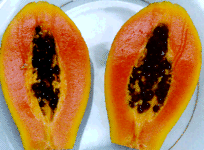
Deliciously sweet with musky undertones and a soft, butter-like consistency, it is no wonder the papaya was reputably called the "fruit of the angels" by Christopher Columbus. Once considered quite exotic, they can now be found in markets throughout the year. Although there is a slight seasonal peak in early summer and fall, papaya trees produce fruit year round. Papayas are spherical or pear-shaped fruits that can be as long as 20 inches. The ones commonly found in the market usually average about 7 inches and weigh about one pound. Their flesh is a rich orange color with either yellow or pink hues. Inside the inner cavity of the fruit are black, round seeds encased in a gelatinous-like substance. Papaya's seeds are edible, although their peppery flavor is somewhat bitter. The fruit, as well as the other parts of the papaya tree, contain papain, an enzyme that helps digest proteins. This enzyme is especially concentrated in the fruit when it is unripe. Papain is extracted to make digestive enzyme dietary supplements and is also used as an ingredient in some chewing gums.

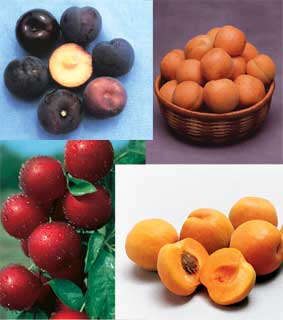
Apricots are those beautifully orange colored fruits full of beta-carotene and fiber that are one of the first signs of summer. Although dried and canned apricots are available year-round, fresh apricots with a plentiful supply of vitamin C and are in season in North America from May through August. Relatives to peaches, apricots are small, golden orange fruits, with velvety skin and flesh, not too juicy but definitely smooth and sweet. Some describe their flavor as almost musky, with a faint tartness that lies somewhere between a peach and a plum.
Apricots are a good source of fiber, which has a wealth of benefits.
 © Chris Steadman 10/29/08